Zone 0: What California's New 5-Foot Fire Rule Means for Your Patio, Walkways and Fences
California's Board of Forestry adopted the Zone 0 rules on August 19, 2026. They govern the first five feet around homes in very high fire hazard areas, which includes much of the Oakland and Berkeley hills, Lamorinda and Marin. Bark mulch, new wood fencing against the house and most plants are out. Pavers, gravel and concrete are in. Here is what that means for a Bay Area yard.
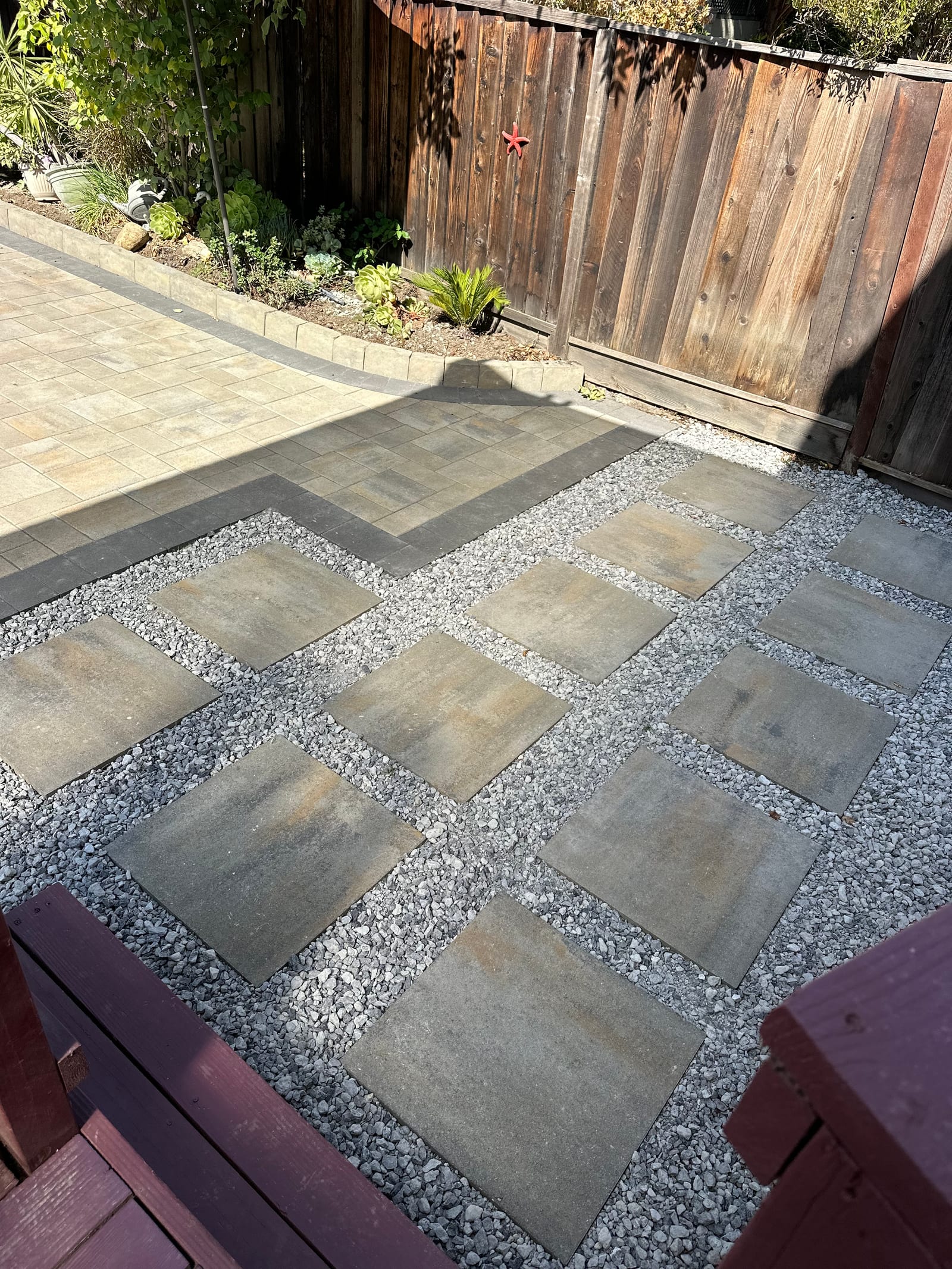
Pavers set in gravel against the house. Noncombustible from the wall out, which is exactly what Zone 0 asks for.
If your house sits in a Very High Fire Hazard Severity Zone, the first five feet around it are about to be regulated for the first time. California calls that strip Zone 0. The Board of Forestry adopted the rules on August 19, 2026. As of mid-October they were with the Office of Administrative Law, the last step before they take effect, and existing homes get a multi-year phase-in once they do.
The short version for anyone with a yard: bark mulch, new wood fencing attached to the house and most plants come out of that five-foot strip. Pavers, gravel, concrete and stone are the materials the rules point you toward.
We build patios and walkways in the East Bay and Marin hills. We do not do Zone 0 compliance work, but the rules change what makes sense to build next to a house up there, so here is what we know, what is still pending, and what the five feet around a house can look like.
What exactly is Zone 0?
Zone 0 is the area from the walls of the house out to five feet, including the space under and around attached decks. California's existing defensible space rules already covered Zone 1 (5 to 30 feet) and Zone 2 (30 to 100 feet). In 2020, AB 3074 added the five-foot zone and told the Board of Forestry to write the specific rules.
The reasoning comes from post-fire investigations. Most homes in wildfires do not burn because the fire front reaches them. They burn because embers, blown far ahead of the fire, land against the house in mulch, dry leaves or a wood fence, and that small fire ignites the siding or gets through a vent. The five feet against the house is where that happens.
Does Zone 0 apply to my house?
It depends on two things: your hazard rating and who is responsible for fire protection where you live.
Inside cities, which the state calls local responsibility areas, the rules apply to homes in locally designated Very High Fire Hazard Severity Zones. They do not apply across Moderate or High zones in cities.
In state responsibility areas, mostly unincorporated land, the rules apply to every building regardless of hazard level.
In the Bay Area, the Very High zones cover large parts of the Oakland and Berkeley hills, Orinda, Moraga, Lafayette, the hills around Walnut Creek, parts of the Peninsula and Los Gatos hills, and much of Marin. The fastest way to know is to look up your address on the CAL FIRE hazard severity map or call your fire district. Oakland has a Zone 0 page for its hills, and the Moraga-Orinda Fire District has one for Lamorinda.
What do the rules ban within five feet of the house?
Based on the regulations the Board adopted, as summarized by Best Best & Krieger and FIRESafe MARIN:
- Combustible mulch. Bark, wood chips and similar mulch must be removed, with narrow temporary exceptions for erosion control.
- New combustible fencing. New wood fences and gates are not allowed in Zone 0. Where a fence attaches to the house, or comes within about a foot of it, the first five feet need to be noncombustible. Repairs to existing fences can still use wood.
- Dead plant material and ladder fuels. Dead branches, leaves and anything that lets fire climb toward the house come out. Limited, well-kept non-woody plants may stay if they meet height, spacing and area limits.
- Stuff under decks. Vegetation and combustible items under decks, stairs, balconies and pergolas must be cleared.
- Firewood. No firewood storage in Zone 0.
- Small sheds. An outbuilding under 120 square feet can sit in Zone 0 only if it is entirely noncombustible.
What is allowed, and recommended, is the list every hardscape contractor knows: pavers, concrete, natural stone, gravel and bare soil.
When do existing homes have to comply?
Not right away, and not all at once. The timelines below come from the adopted text as summarized by fire agencies. They depend on final approval, so treat them as the expected schedule, not a guarantee.
| Who | What | Expected timeline |
|---|---|---|
| New construction | Full Zone 0 compliance | When the rules take effect and the Board publishes its guidance |
| Existing homes | Basic upkeep already in prior law (gutters, roof, dead branches, firewood) | When the rules take effect |
| Existing homes | Remove combustible mulch and dead plant material | Up to 3 years |
| Existing homes | Fence, gate and other physical changes | Up to 5 years, local agencies may set shorter schedules |
Oakland has told residents in its hills to expect roughly three years to comply. Marin agencies have published similar guidance.
Three to five years sounds like a long time. It is not long if the change you need is a new walkway or a reworked side yard, and contractors in the hills will be booked solid as deadlines approach.
What should the first five feet look like?
Here is a layout that fits the rules as adopted for a house in a Very High zone, and still looks like a garden. Your fire district has the final word on the details.
Against the wall, a noncombustible band. Pavers or a gravel strip, 12 to 36 inches wide, running along the foundation. This is the part embers actually land in. Pavers set on a compacted base with sand joints have nothing to burn. If you want a softer look, decomposed granite or river rock works as well.
Walkways and side yards in pavers. Side yards are where wood fences meet the house, firewood gets stacked and mulch piles up. A paver side yard with a metal or masonry gate at the house solves three Zone 0 problems in one project.
Plants out to the edge of the zone, not against the house. Low, irrigated, non-woody plants in containers or small beds, kept short and spaced out, if your local agency allows them.
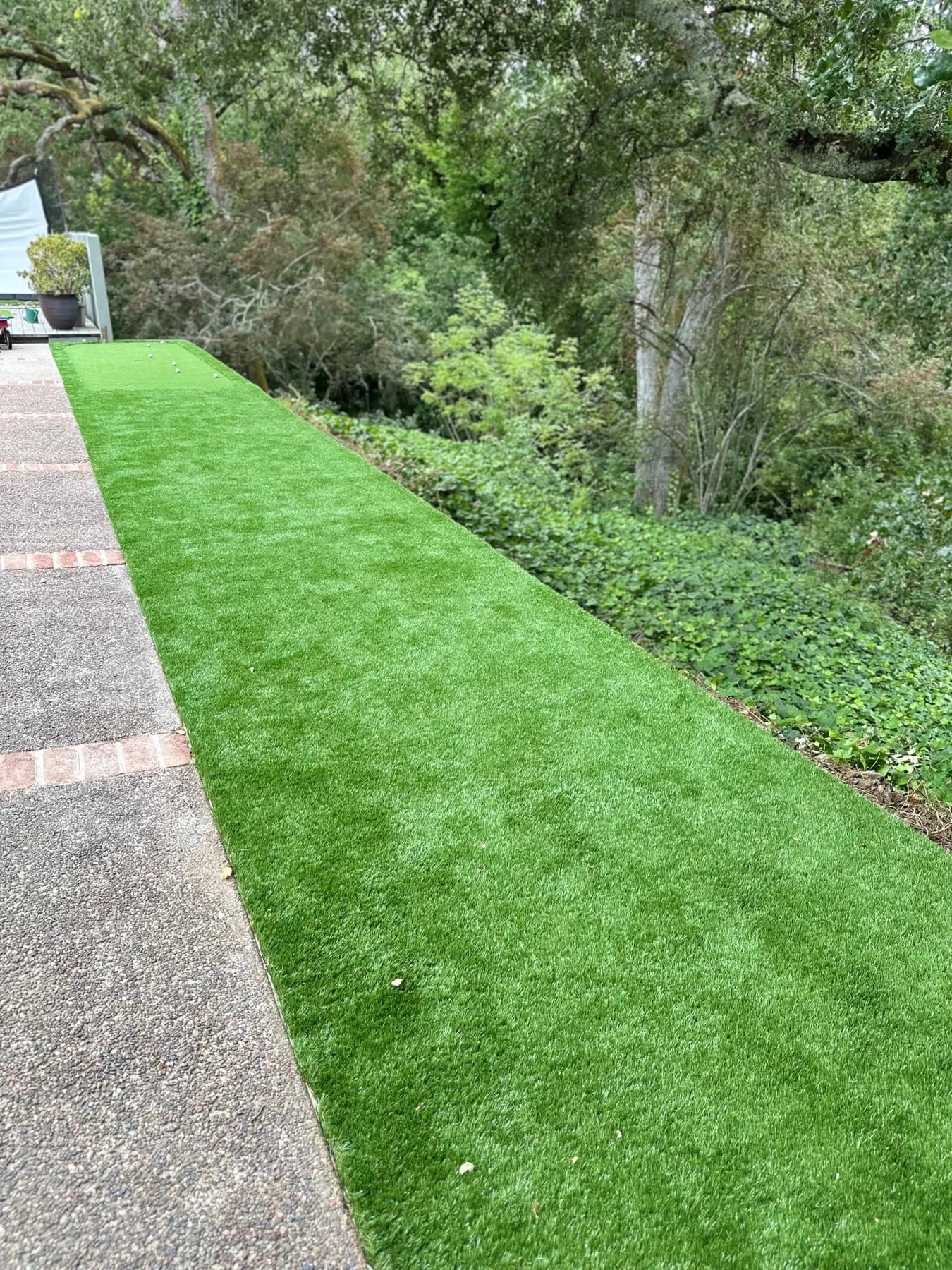
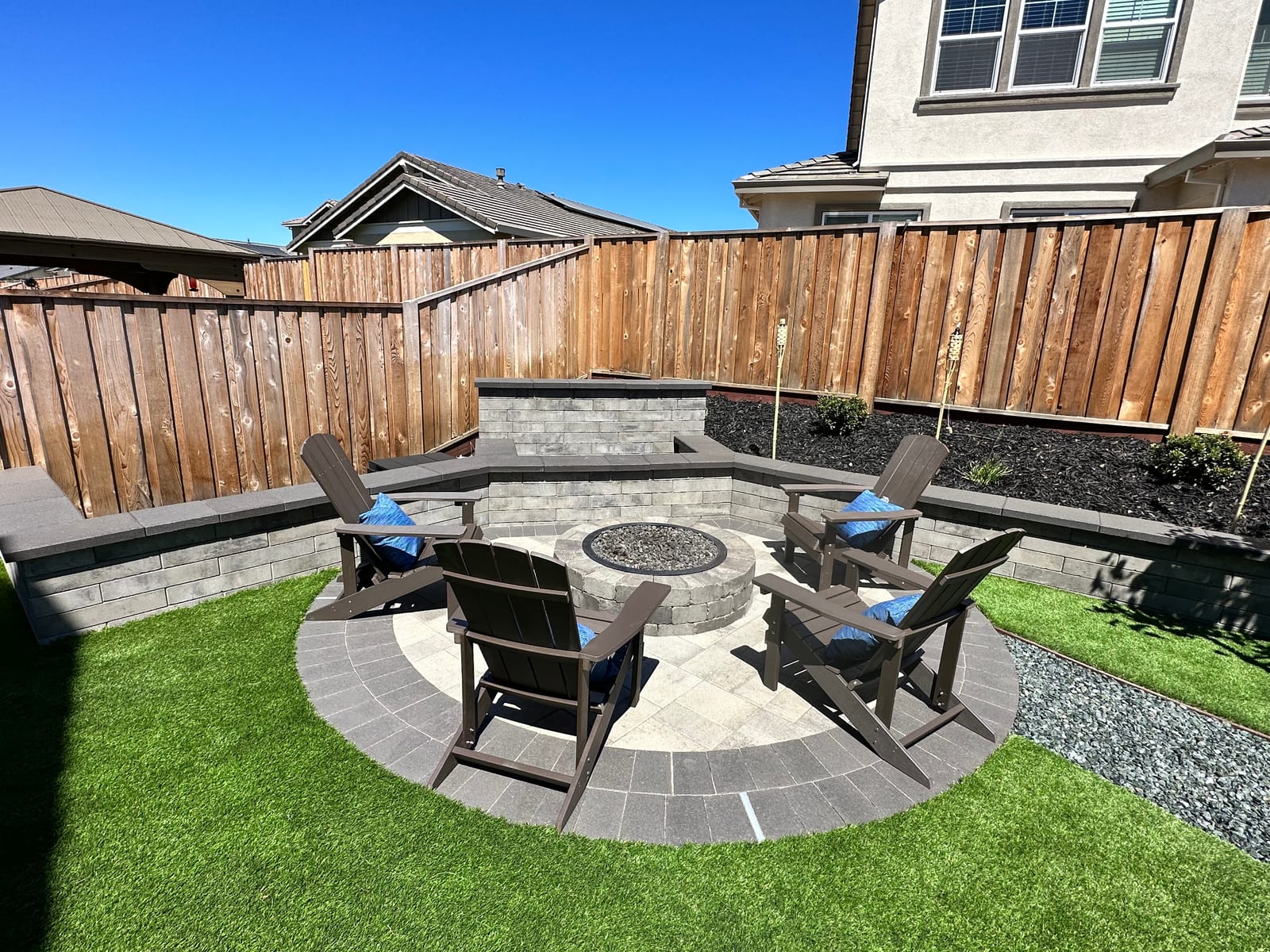
Turf beyond five feet. Artificial turf is plastic. The adopted rules as summarized do not single it out, but it melts and burns, and we do not install it in the first five feet of a home in a high fire area. Start the turf at five feet and run pavers or gravel inside that line.
Decks. If you have an attached wood deck, the space underneath has to be cleared, and many owners use the opportunity to rebuild the first section in a noncombustible material or replace a low deck with a paver patio. A paver patio at grade has no underside to collect leaves.
Do pavers really make a difference?
Yes, for a simple reason: there is nothing in them to ignite. A concrete paver is cement and aggregate. Our pavers are rated up to 8,000 PSI and made for driveways. An ember that lands on one goes out.
The joints matter a little. Plain sand and polymeric sand are both mineral. Moss and weeds in old joints can carry a small amount of fuel, which is another reason to keep the joints full and the surface swept.
Compare that with the most common thing in the first five feet of Bay Area homes today, which is bark mulch around foundation plantings. It holds embers and smolders. That is exactly why it is on the banned list.
Will there be rebates or inspections?
Inspections, yes. Several Bay Area fire agencies already run annual defensible space inspections in their hills, and Zone 0 will be added to them as the phase-in progresses. Oakland's Wildfire District inspections and the Moraga-Orinda Fire District's program are two examples.
Rebates are spotty and changing. Some fire districts and FireSafe councils have offered chipping, cost-share or grant programs for vegetation work in the past. Hardscape is rarely covered directly. If you are also removing lawn, some water district rebates can apply to the area beyond Zone 0, with conditions on the materials used.
Who can help with Zone 0?
Start with your fire district. Many hill fire districts in the Bay Area offer free defensible space inspections or advice visits, and they are the ones who will enforce Zone 0. Oakland's Wildfire District inspections and the Moraga-Orinda Fire District's program are good examples. For vegetation removal, many FireSafe councils and districts run chipping days or keep lists of local crews.
To be clear about our part: Royal does not do Zone 0 assessments, compliance plans or vegetation work. We build patios, walkways, driveways and retaining walls. If you are already planning one of those for a house in the hills, it is worth knowing the rules above before you pick materials, so you do not put bark mulch or a wood border where it will have to come out in three years.
For a patio or walkway project, call 1-888-282-1344 or request a free design consultation. Our walkway page shows the kind of work we do, and if the side of the house sits on a slope, see our retaining wall cost guide.
Status note: this post reflects the Zone 0 regulations as adopted by the Board of Forestry on August 19, 2026, and their status in October 2026. We will update it when the rules are final.
Frequently asked questions
What is Zone 0 in California?+
Zone 0 is the ember-resistant zone, the first five feet around a home, including under and around attached decks. California's AB 3074 required the Board of Forestry to write rules for it. The Board adopted emergency regulations on August 19, 2026, and as of October 2026 they were awaiting approval by the Office of Administrative Law before taking effect.
Does Zone 0 apply to my house?+
In cities and other local responsibility areas, it applies to homes in locally designated Very High Fire Hazard Severity Zones. In state responsibility areas, generally unincorporated land, it applies across all hazard levels. In the Bay Area that means much of the Oakland and Berkeley hills, Lamorinda, parts of the Peninsula and South Bay hills, and large parts of Marin. Check your address on the CAL FIRE hazard map or with your local fire department.
Are pavers allowed in Zone 0?+
Yes. Pavers, concrete, stone, gravel and bare soil are the noncombustible surfaces that fire agencies such as FIRESafe MARIN recommend for the zero to five foot zone. Bark and wood chip mulch are prohibited.
How long do existing homes have to comply with Zone 0?+
Existing homes get a phase-in. Removing combustible mulch and dead plant material has a three-year window, and fence, gate and some other changes can be phased over up to five years, with local agencies setting their own schedules. New construction has to comply once the rules take effect. Dates depend on final approval, so confirm with your fire district.
Is artificial turf allowed in Zone 0?+
The adopted regulations summarized by fire agencies do not single out artificial turf, but it is a plastic product that melts and burns. We do not recommend it in the first five feet of a home in a high fire area, and several local agencies advise against it. Pavers or gravel right against the house, with turf starting beyond five feet, is the safer layout.
Walkways
Pathways that guide the eye and protect the lawn.

Written by João at Royal Outdoor Solutions
Family-owned Bay Area hardscape contractor with 15+ years of hands-on experience installing paver patios, driveways, walkways, pool decks and retaining walls. Licensed, bonded and insured.
1-888-282-1344More guides
All guides →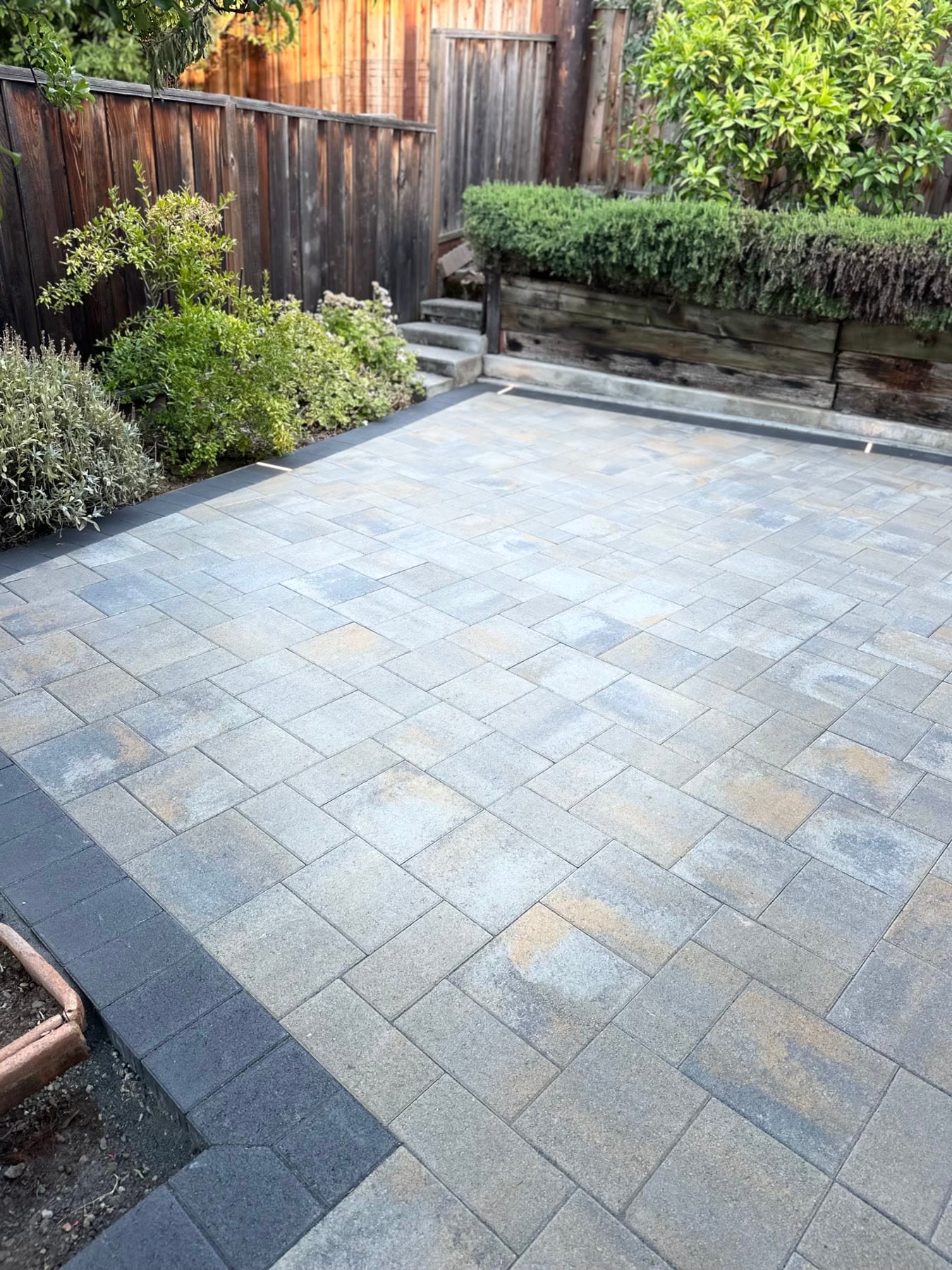
Tell us about your project.
Free, no-obligation estimate. We come measure on-site, walk you through the design options, and follow up in writing.